

The Hidden Dangers of Motorcycle Accidents: What Every Rider Should Know
Motorcycle accidents are indeed typically more severe than car accidents, with riders facing a significantly higher risk of serious injury or death. When you’re cruising down State Road 40 or along Silver Springs Boulevard, you have no metal frame, airbags, or safety belts protecting you from impact. This vulnerability means that what might be a minor fender bender for a car can be catastrophic for a motorcyclist. Understanding these heightened risks and knowing your rights following a motorcycle crash can make all the difference in your recovery process, both physically and financially.
Don’t let the complexities of a motorcycle accident overwhelm you. At Glover Law Firm, we’re here to help you navigate the legal maze and secure the compensation you deserve. Reach out to us today at 352-484-0775 or contact us to take the first step towards reclaiming your peace of mind.
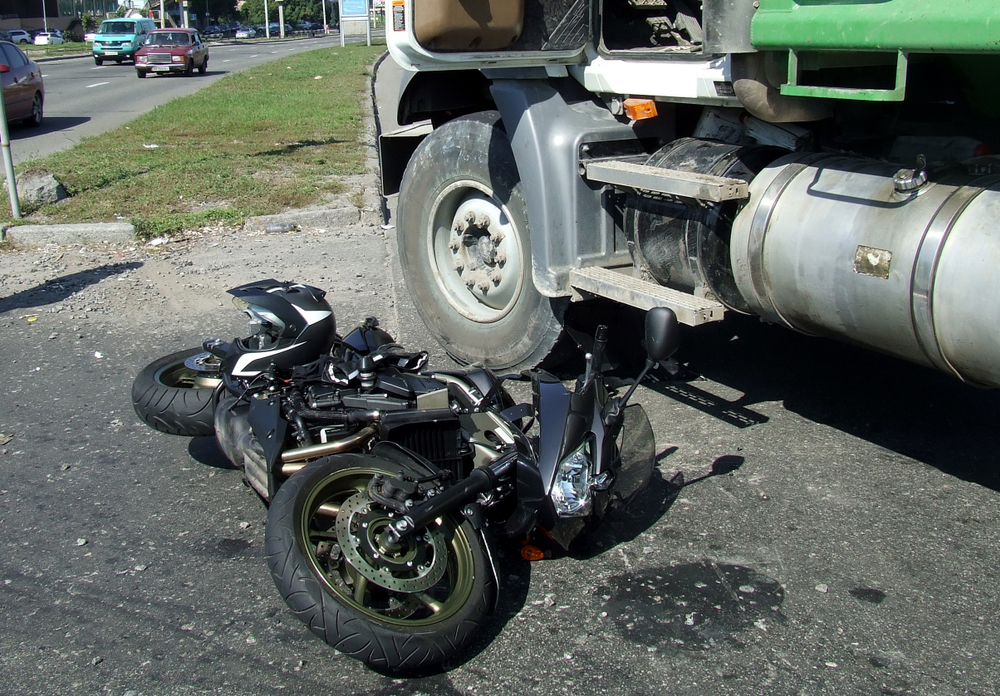
Florida’s Motorcycle Accident Laws Every Rider Must Understand
Unlike standard vehicle operators, motorcyclists in Florida navigate a unique legal landscape. While the state’s no-fault insurance laws require car owners to carry Personal Injury Protection (PIP) insurance, motorcyclists are exempt from this requirement. This means that following an accident, you aren’t limited by the no-fault system and can pursue compensation directly from the at-fault party. Additionally, Florida follows a comparative negligence rule, meaning your compensation may be reduced by your percentage of fault in the accident. For example, if you’re found 20% responsible for the accident, your potential recovery would be reduced by that same percentage. This makes properly documenting the accident scene and gathering evidence crucial to protecting your right to full compensation. Since 2023, Florida has also implemented a two-year statute of limitations for negligence claims, giving motorcycle accident victims a relatively tight window to file their lawsuit.
The Severity Gap: Why Motorcycle Crashes Result in More Serious Outcomes
Understanding the fundamental differences between motorcycle and car accidents helps explain why motorcycle crashes consistently result in more severe outcomes. Recent data from Florida’s crash statistics reveals alarming disparities that every rider should be aware of:
- Motorcyclists are 28 times more likely to die in a crash than car occupants per mile traveled, according to recent transportation safety data.
- Head injuries are the leading cause of death in motorcycle accidents, with riders without helmets being 40% more likely to suffer fatal head injuries.
- The average motorcycle accident hospitalization costs approximately $83,000, nearly twice the average cost of car accident hospitalizations.
- Road hazards like potholes, gravel, and uneven pavement that merely inconvenience car drivers can be life-threatening for motorcyclists.
- Over 80% of reported motorcycle crashes result in injury or death, compared to about 20% for passenger vehicles.
Securing Your Future After a Severe Motorcycle Accident
After experiencing a motorcycle accident, acting swiftly and decisively can significantly impact your recovery journey. Document everything meticulously—take photos of the accident scene, gather witness information, and obtain the police report. Seek immediate medical attention, even if you feel fine, as some injuries may not be immediately apparent. Keep detailed records of all medical treatments, expenses, and how the injuries affect your daily life. When dealing with insurance companies, remember they often aim to minimize settlements. At Glover Law Firm, we’ve observed that motorcycle accident victims who seek legal representation typically receive substantially higher compensation than those who handle claims alone. Our approach focuses on comprehensive documentation of both economic damages(medical bills, lost wages) and non-economic damages (pain and suffering) to ensure our clients receive the full compensation they deserve for the uniquely severe impacts of motorcycle accidents.
The Physical Impact: Common Motorcycle Accident Injuries vs. Car Accident Injuries
The physical consequences of motorcycle accidents differ dramatically from those typically seen in Florida car accident cases, both in nature and severity. Without the protective shell that surrounds car occupants, motorcyclists’ bodies absorb much more of the impact forces during a collision. This fundamental difference explains why, even at relatively low speeds, motorcycle accidents can result in life-altering injuries.
Road Rash: More Than Just Scrapes
While road rash might sound minor compared to other injuries, this motorcycle-specific injury can be devastating. When a rider slides across pavement at any speed, the friction can strip away layers of skin, sometimes exposing muscle, nerves, and bone. These injuries often require extensive skin grafting, carry high risks of infection, and can leave permanent scarring and nerve damage. We’ve represented clients whose seemingly “minor” road rash injuries led to multiple surgeries and permanent disability, demonstrating how even the most “motorcycle-specific” injuries can have profound long-term impacts that insurance companies frequently undervalue.
The Financial Toll: Comparing the Costs of Motorcycle vs. Car Accidents
Beyond the physical trauma, motorcycle accidents typically impose a heavier financial burden than car accidents. The average hospitalization cost for motorcycle accident victims exceeds $83,000, nearly double that of car accident victims. This disparity stems from the more severe nature of injuries and longer recovery periods typically required. Additionally, motorcycle accident victims miss an average of 45 work days following a crash, compared to 8.7 days for car accident victims, according to transportation safety research data. These extended absences from work, combined with higher medical costs, create a financial pressure that compounds the physical recovery challenges.
Long-Term Rehabilitation Costs
The financial impact of motorcycle accidents extends far beyond initial emergency care. Many victims require extensive physical therapy, multiple surgeries, and adaptive equipment. For instance, traumatic brain injuries—far more common in motorcycle accidents—may necessitate cognitive rehabilitation that can cost upwards of $1,000 per day and continue for months or years. Spinal cord injuries, another frequent outcome in motorcycle crashes, can require lifelong care costing millions over a victim’s lifetime. These ongoing expenses, often overlooked in quick insurance settlements, highlight why comprehensive legal representation is particularly crucial for motorcycle accident victims.
Preventative Measures: Reducing Severity in Motorcycle Accidents
While motorcycle accidents will inherently remain more dangerous than car accidents, riders can take specific steps to reduce injury severity and improve survival rates. Proper protective gear represents your first and often only line of defense in a crash. Beyond the legally required protective equipment, additional safety measures can significantly improve your odds of walking away from an accident.
The Helmet Debate: Statistics Don’t Lie
Despite Florida’s relaxed helmet laws allowing riders over 21 with sufficient insurance to ride without helmets, the data strongly supports helmet use. Helmeted riders are 37% less likely to die in a crash and 67% less likely to suffer traumatic brain injuries. Modern motorcycle helmets combine impact protection with comfort and visibility, eliminating many of the objections riders historically raised. When selecting a helmet, look for DOT certification at minimum, with SNELL or ECE ratings providing additional assurance of protection. Remember that even the best helmet needs replacement after a crash or every 5-7 years, as internal materials degrade over time.
Frequently Asked Questions
1. How much more likely am I to be seriously injured on a motorcycle compared to in a car in Ocala?
Based on Florida crash data, motorcyclists are approximately 28 times more likely to suffer fatal injuries than car occupants per mile traveled. In Ocala specifically, the risk may be even higher on certain high-traffic roads like SR 200 and US-441. The lack of structural protection, combined with the greater exposure to impact forces, explains this dramatic difference in injury rates. Even with perfect protective gear, motorcyclists remain vulnerable to serious injuries that car occupants would likely avoid in similar crash scenarios.
2. What motorcycle accident injuries typically result in the longest recovery times compared to car accidents?
Spinal cord injuries and traumatic brain injuries, both significantly more common in motorcycle accidents, typically require the longest recovery periods, often measured in years rather than months. These life-altering injuries frequently result in permanent disability. Other injuries with extended recovery times include complex fractures requiring surgical intervention and severe road rash necessitating skin grafts. The recovery period for a motorcycle accident injury is typically 2-3 times longer than for comparable injuries sustained in car accidents.
3. How does Florida’s motorcycle accident law differ from other states regarding helmet requirements?
Florida has one of the more permissive helmet laws in the country, allowing riders over 21 who carry at least $10,000 in medical insurance coverage to legally ride without helmets. This contrasts with many states that require helmets for all riders regardless of age or insurance status. However, this legal permission comes with significant risk—unhelmeted riders in Florida experience dramatically higher rates of fatal head trauma. From a legal perspective, not wearing a helmet generally won’t prevent you from recovering damages after an accident, but it may potentially reduce your compensation under Florida’s comparative negligence principles.
4. What evidence is most crucial to collect after a motorcycle vs. car accident in Ocala?
After a motorcycle accident, photographic evidence becomes particularly important since fault is often contested more vigorously than in car accidents. Photographs should include all vehicles’ positions, road conditions, skid marks, and your injuries. Witness statements are critical, as many drivers claim they “didn’t see” the motorcycle. Medical documentation, including ambulance reports and emergency room records, helps establish the immediate connection between the accident and your injuries. Additionally, preserving damaged gear (helmet, jacket, etc.) can provide powerful evidence of impact forces and help accident reconstructionists determine crash dynamics.
5. How long do I have to file a motorcycle accident lawsuit in Florida, and should I work with a motorcycle accident lawyer in Ocala?
Florida law gives you two years from the date of the accident to file a personal injury lawsuit. However, you should never wait this long to begin the legal process. Evidence disappears, witnesses’ memories fade, and conditions change. Working with a motorcycle accident attorney is particularly important for motorcycle crashes because these cases face unique challenges: bias against motorcyclists, more complex injury patterns, and insurance companies that aggressively dispute claims. An experienced motorcycle accident lawyer understands these challenges and can build a compelling case while you focus on recovery.
Work with a Motorcycle Accident lawyer
The aftermath of a motorcycle accident brings unique challenges that differ significantly from car accidents, from more severe injuries to complex legal considerations. Understanding these differences is crucial to ensuring proper compensation for your injuries. A qualified motorcycle accident lawyer can help you navigate Florida’s comparative negligence laws, gather compelling evidence to establish liability, accurately calculate long-term damage,s including future medical needs and lost earning capacity, and counter the inherent bias that motorcyclists often face from insurance adjusters and juries. If you’re struggling with the aftermath of a motorcycle crash, consider reaching out for a consultation to understand your options and ensure your rights are protected during this challenging time.
When the road throws you a curveball, don’t face it alone. Let Glover Law Firm be your guiding light through the legal fog. Dial 352-484-0775 or contact us today to start your journey toward justice and recovery.