
Why a Permanent Impairment Rating in Florida Matters More Under the New Crash Report Rules
Key Takeaways: Florida’s SB 488, codified as Chapter 2026-39, raised the property-damage threshold for reporting a crash to police from $500 to $2,000, effective October 1, 2026. The change applies only to crashes involving property damage alone, so any crash causing injury or death must still be reported immediately. Fewer minor crashes may now produce an official police report, which could leave injured Villages residents with less documentation. Pain that appears after the crash, along with any later permanent impairment rating in Florida, may become harder to connect to the collision without early records. An injury claim may still be possible without a police report. Careful documentation at the scene, reporting any pain to an officer, and getting medical care within PIP’s 14-day window may help protect it.
A seemingly minor change to Florida’s crash reporting law took effect this month, and it could affect how injury claims are built in The Villages, FL. News coverage from early October reports that drivers no longer have to call police after a minor crash when no one is hurt and the damage appears to be under $2,000. In a community where low-speed collisions at roundabouts, in parking lots, and along multimodal paths happen often, many crashes may now go undocumented. For residents who later develop neck, back, or joint pain, that missing paperwork could make an injury claim harder to prove.

What SB 488 Changed in Florida Statute 316.065
Florida Statute 316.065 sets out when a driver must report a crash and to whom. Under the 2025 version of the statute, a driver had to report a crash immediately if anyone was injured or killed, or if damage to any vehicle or property appeared to be at least $500. SB 488 passed in the 2026 session and was codified as Chapter 2026-39. It raised that amount to $2,000 for crashes on or after October 1, 2026. The Legislature’s current Florida crash report statute shows the $2,000 figure, but readers may still want to check the enrolled bill text for the final wording.
Injury Still Triggers a Report Regardless of Damage
The $2,000 Florida crash report threshold applies only to crashes with property damage alone. Injury and death are separate reasons to report, regardless of the dollar amount. Any crash in The Villages where someone is hurt must still be reported right away, however small the damage. Drivers also still have to stop, remain at the scene, and exchange information. Failing to make a required report is a noncriminal traffic infraction. Leaving the scene of a crash involving injury or death is a separate and more serious offense.
Who Takes the Report in The Villages
Location determines which agency handles your crash. The Villages spans unincorporated Sumter County and parts of Lake and Marion counties, and some areas fall within municipalities such as Wildwood, Lady Lake, and Fruitland Park. Under section 316.065, a crash inside a municipality is reported to the local police department. A crash outside city limits is reported to the nearest county sheriff’s office or Florida Highway Patrol station. Knowing where your report will come from may help you request it later.
The Long Form and Why Pain Matters
An investigating officer must complete a Florida Traffic Crash Report, Long Form, under certain conditions. Under section 316.066, those conditions include a crash that caused death or personal injury, or any indication that someone complained of pain or discomfort. They also include a crash involving leaving the scene or DUI, a crash that left a vehicle undrivable and needing a tow, or one involving a commercial motor vehicle. The officer must submit the report within 10 days after finishing the investigation. The long form records the date, time, location, vehicles, driver and passenger information, witnesses, and each party’s insurer. Injury claims often depend on this information.
A Fender Bender on Morse Boulevard: How the Gap Can Hurt
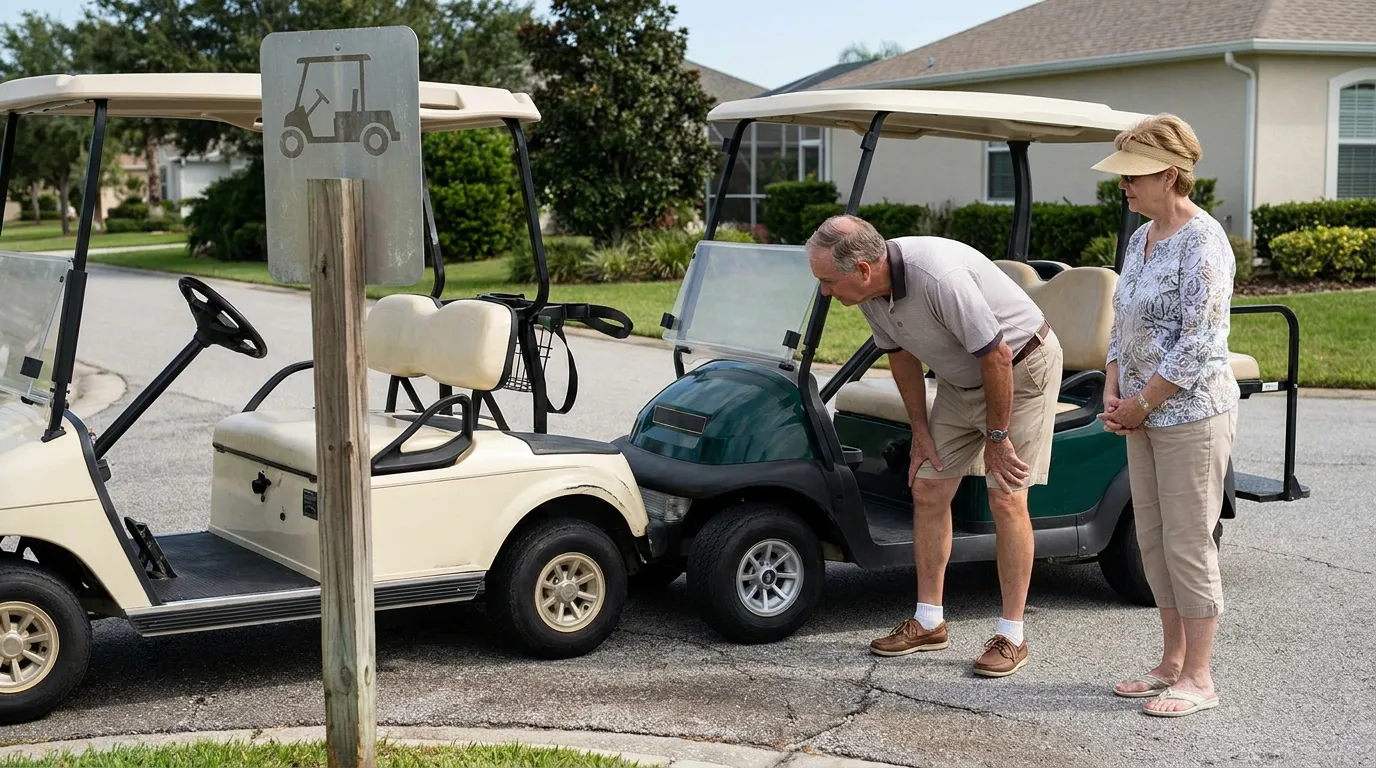
Consider a hypothetical retiree named Carol, who is stopped at a roundabout when another driver rear-ends her sedan at low speed. The bumper damage looks modest, perhaps $1,500, and Carol feels shaken but not hurt. The other driver suggests exchanging information and skipping the police call. The new threshold may appear to allow that, but only if no one is injured. Carol agrees and drives home.
Two days later, Carol wakes with stiff, radiating neck pain. Her doctor diagnoses a cervical injury, and months of treatment follow. When she files a claim, the at-fault driver’s insurer questions whether the crash happened as she describes and whether it caused her injury. She has no police report, no witness contacts, and no record of complaining of pain at the scene. That makes proving causation an uphill path.
Carol’s situation is common in soft-tissue cases. Symptoms of whiplash and similar injuries often appear hours or days after a collision. Under the new rule, the lack of an early official record may give insurers room to argue that something else caused the injury. Had Carol called law enforcement and mentioned even mild discomfort, the officer would generally have been required to complete the long form.
How a Permanent Impairment Rating in Florida Connects to Your Claim
A permanent impairment rating in Florida can play a central role in whether an injured driver may recover pain and suffering damages. Florida’s no-fault system generally requires injured people to seek medical and wage benefits first through their own personal injury protection coverage. PIP is typically limited to $10,000. Under the Florida no-fault insurance law, specifically section 627.737, a claimant may pursue pain and suffering and similar non-economic damages against an at-fault driver only after meeting a tort threshold. That threshold can be met by significant and permanent loss of an important bodily function, by permanent injury within a reasonable degree of medical probability (not counting scarring or disfigurement), by significant and permanent scarring or disfigurement, or by death.
Physicians often document permanency through an impairment rating after treatment reaches maximum medical improvement. The statute does not specifically require a rating. A physician’s opinion on permanency within a reasonable degree of medical probability is the key evidence, and the jury usually decides whether the threshold is met. Insurers also frequently challenge whether the injury came from the crash at all. When no police report exists, the link between the collision and the impairment may depend almost entirely on medical records, photographs, and witness accounts. Early gaps in the record can matter later.
Practical Steps to Protect Your Claim After Any Crash
Even if a minor crash no longer requires a police report, you can still call law enforcement or build your own record. Reporting pain to an officer generally requires a long-form report, which can strengthen a police report injury claim. Consider these steps after any collision in The Villages:
- Call law enforcement if anyone feels pain or discomfort, since injury triggers a reporting duty regardless of damage.
- Photograph all vehicles, the scene, road conditions, and visible injuries.
- Collect names, phone numbers, and insurance details from every driver and witness.
- Seek medical evaluation promptly, because Florida’s PIP rules generally require initial treatment within 14 days.
- Keep repair estimates, since damage that looked minor may exceed $2,000 once a shop inspects it.
- Write down your account of the crash while your memory is fresh.
Repair costs are difficult to estimate at the roadside. Modern bumpers often hide expensive sensors and structural components. If you are unsure whether damage reaches the threshold, contacting law enforcement may be the safer choice. PIP benefits may also be capped at $2,500 unless a qualified provider determines that you had an emergency medical condition. Once a report exists, you may also want to understand crash report confidentiality rules that limit who can access it during the first 60 days.
Fault and Deadlines Still Apply
SB 488 did not change Florida’s comparative negligence rules or filing deadlines. Under the 2023 reforms, Florida generally bars recovery in negligence cases filed after March 24, 2023, if the claimant is found more than 50 percent at fault. Otherwise, damages are reduced by the claimant’s share of fault. For most negligence claims that accrued after March 24, 2023, section 95.11 sets a two-year statute of limitations. Claims against government entities may carry separate notice requirements.
How Does This Impact Me?
Does the new $2,000 threshold mean I should not call police after a minor crash?
Not necessarily. The threshold applies only to crashes with property damage alone, and any injury or death still requires an immediate report. If you feel any pain, tell the officer, because that generally requires a long-form report.
Can I still bring an injury claim without a police report?
In many cases, yes. A police report is helpful evidence but is not legally required to bring a claim. Medical records, photographs, witness statements, and repair records may help establish what happened, although proving causation can be harder without an official report.
How does a permanent impairment rating in Florida affect my compensation?
A finding of permanent injury, often supported by an impairment rating, may allow you to pursue pain and suffering damages beyond PIP benefits under section 627.737. A formal rating is not strictly required. Whether you meet that threshold depends on your medical evidence and specific facts.
Does SB 488 change my deadline to file a lawsuit?
No. SB 488 changed the reporting threshold, not the limitations periods. Most Florida negligence claims that accrued after March 24, 2023, generally must be filed within two years, subject to limited exceptions.
What should I do next if I was hurt in a low-damage crash?
Consider getting medical care promptly, preserving all photos and contact information, and requesting any available crash report. Speaking with a Villages car accident attorney may help you understand how these rules apply to your situation.
Fewer Reports, Higher Stakes for Injured Villages Residents
Florida’s higher crash reporting threshold may mean fewer official records for minor collisions in The Villages. The law does not remove the duty to report injuries, but it shifts more responsibility onto drivers to document what happened. For people whose pain develops later, early evidence may become critical to proving causation and, eventually, permanency. Outcomes always depend on specific facts, and this article does not constitute individualized legal advice.
If you were hurt in a crash and have questions about how the new rules affect your claim, help is available. Glover Law Firm assists injured residents of The Villages and surrounding communities with auto accident claims. You can call 352-205-4495 or contact us today to discuss your situation.