
Cargo Securement Violations in Ocala Semi-Truck Crashes Explained

When a Truck’s Load Becomes a Hazard on Ocala Roads Key Takeaways: Cargo securement failures in Ocala semi-truck crashes often trace to identifiable regulatory violations rather than bad luck. Federal rules at 49 C.F.R. Part 393, Subpart I set tiedown, working load limit, and commodity-specific standards, and Florida adopts those federal parts through Fla. Stat. […]
Golf Cart Passenger Comparative Negligence in Florida Explained for 2026
Florida’s 51 Percent Rule Reshapes Golf Cart Passenger Injury Claims in 2026 Key Takeaways: Florida now applies a modified comparative negligence standard that can reduce or eliminate a golf cart passenger’s recovery based on their share of fault. Following the 2023 passage of HB 837, a passenger found more than 50% at fault for their […]
What Is Aggravation of a Pre-Existing Injury Under Florida Law?

When a Crash Makes an Old Injury Worse: Your Rights in The Villages Key Takeaways: Aggravation of a pre-existing injury under Florida law generally occurs when a new traumatic event, such as a car crash, accelerates or worsens a condition you already had, producing new pain, disability, or a need for treatment. Florida law may […]
How Letters of Protection Work After a Villages Auto Accident
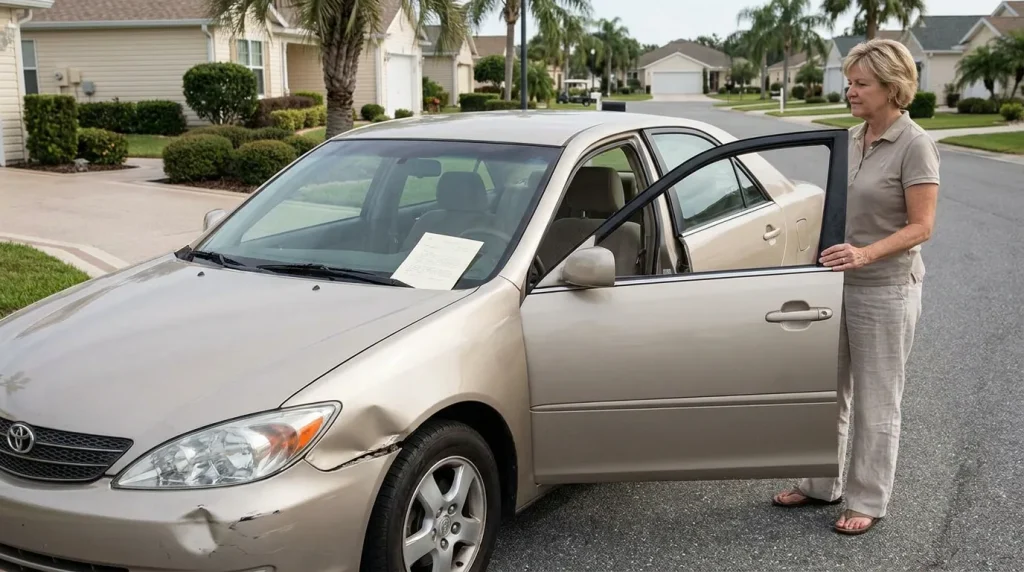
Getting Medical Care After a Crash When Your PIP Runs Out Key Takeaways: A letter of protection (LOP) lets a medical provider treat you now and wait for payment from a future settlement or verdict, which matters once Florida’s PIP medical benefits are exhausted or the 14-day initial treatment window is missed. Florida Statute § […]
What Is a Truck Black Box ECM Spoliation Letter in Ocala, Florida?
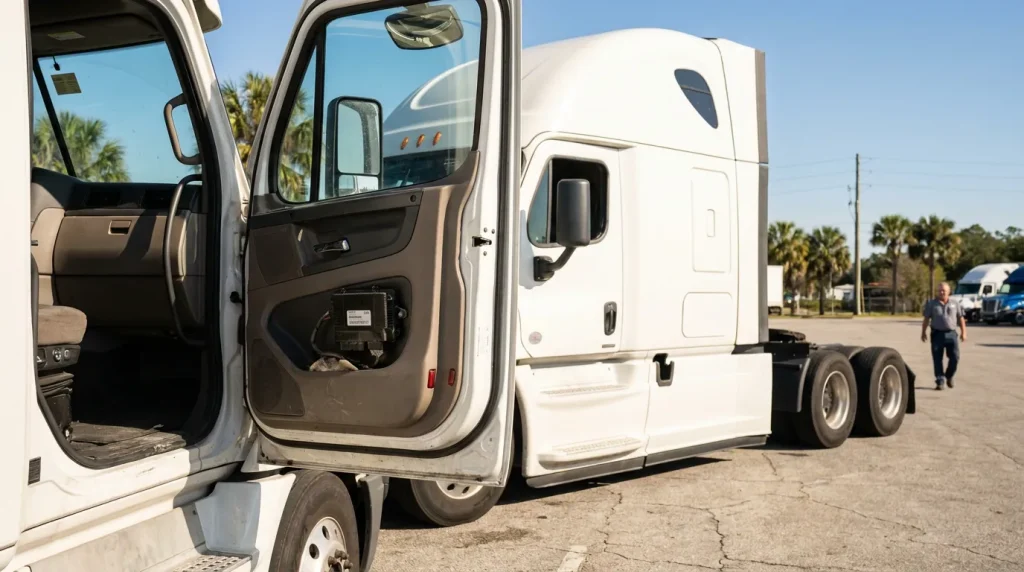
Why the Data Inside a Semi-Truck Can Decide Your Ocala Injury Case Key Takeaways: A truck black box ECM spoliation letter is a formal demand sent after a crash asking trucking companies to preserve the tractor, engine control module, and electronic data. The ECM captures speed, throttle position, brake application, and hard-braking events before a […]
How Florida’s $10,000 Helmet Insurance Rule Shapes 2026 Rider Claims
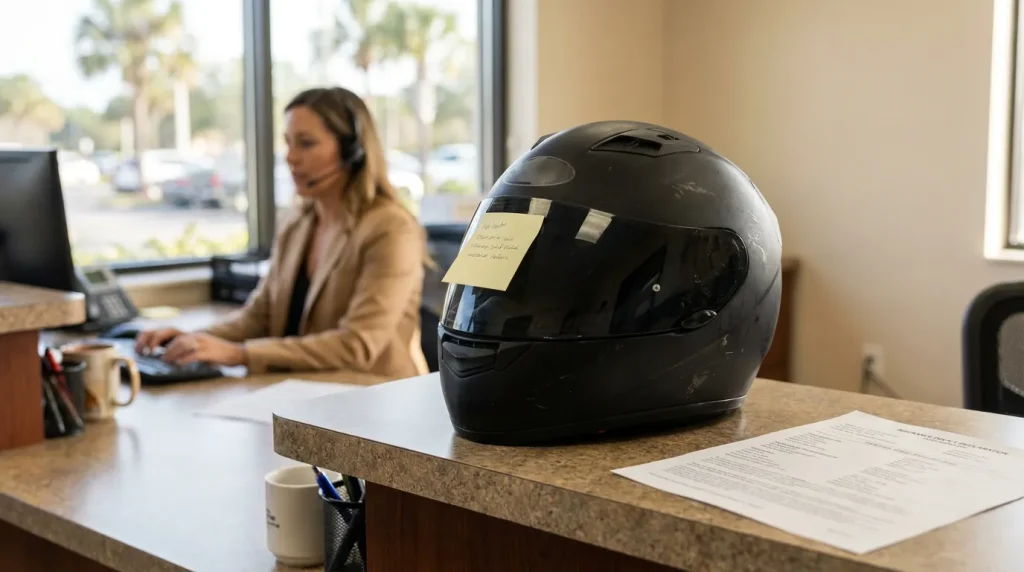
Florida Statute 316.209 Lane Splitting Meets the 2026 Helmet Insurance Debate Key Takeaways: Florida lets riders 21 and older go helmet-free only if they carry at least $10,000 in medical benefits coverage, a rule that shapes how injury claims are valued. Motorcycles sit outside Florida’s no-fault/PIP system, so injured riders must pursue the at-fault driver […]
What Is Florida’s Dangerous Instrumentality Doctrine for Golf Carts?

Why Golf Cart Owners in The Villages Can Be Sued Even When They Weren’t Driving Key Takeaways: Florida’s dangerous instrumentality doctrine holds vehicle owners vicariously liable when someone they allow to drive causes a crash. The Florida Supreme Court confirmed in Meister v. Fisher that golf carts operated on a golf course qualify, and later […]
Can Golf Cart Passengers File Injury Claims After a Villages Crash?
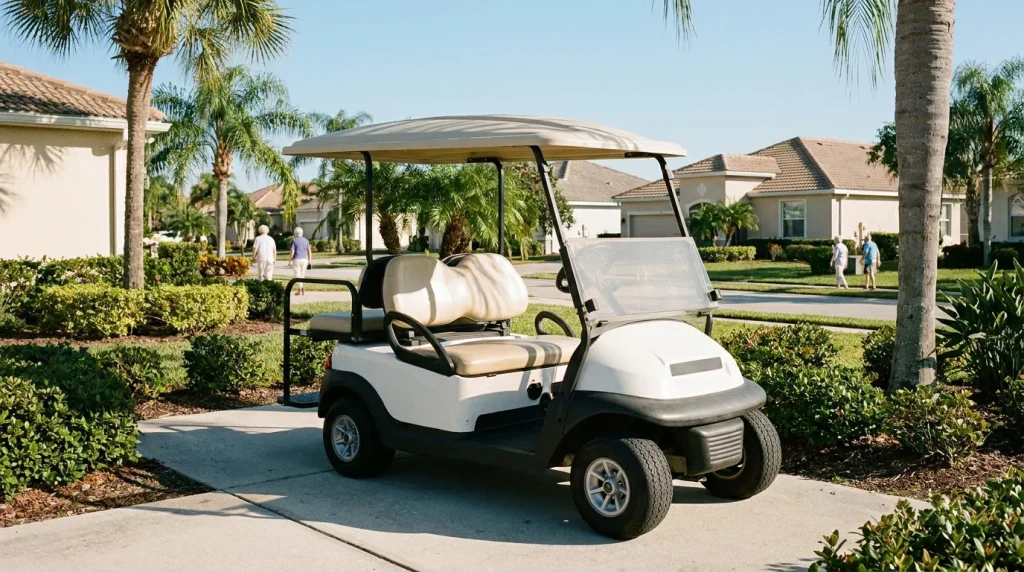
Understanding Passenger Rights in a Villages Golf Cart Crash Key Takeaways: Golf cart passengers injured in a Villages crash generally have the right to file an injury claim, since they rarely control the cart yet often suffer serious harm. Florida law allows injured passengers to pursue multiple at-fault parties, including the driver and cart owner, […]
Can Villages Crash Victims Sue an Uninsured Driver in Florida?
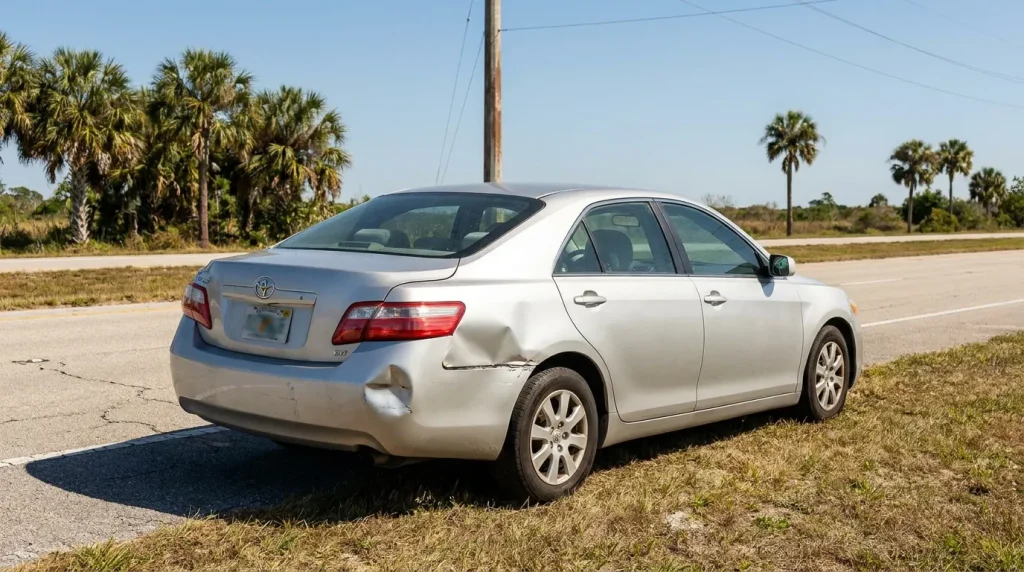
Understanding Your Rights After a Crash With an Uninsured Driver in The Villages Key Takeaways: Yes, a Villages crash victim can sue an uninsured driver in Florida, but recovery depends on several legal factors. Florida’s no-fault system requires your PIP coverage to respond first, while uninsured motorist (UM) coverage often becomes the most important recovery […]
Supreme Court Broker Liability Ruling Aids Ocala Semi-Truck Victims
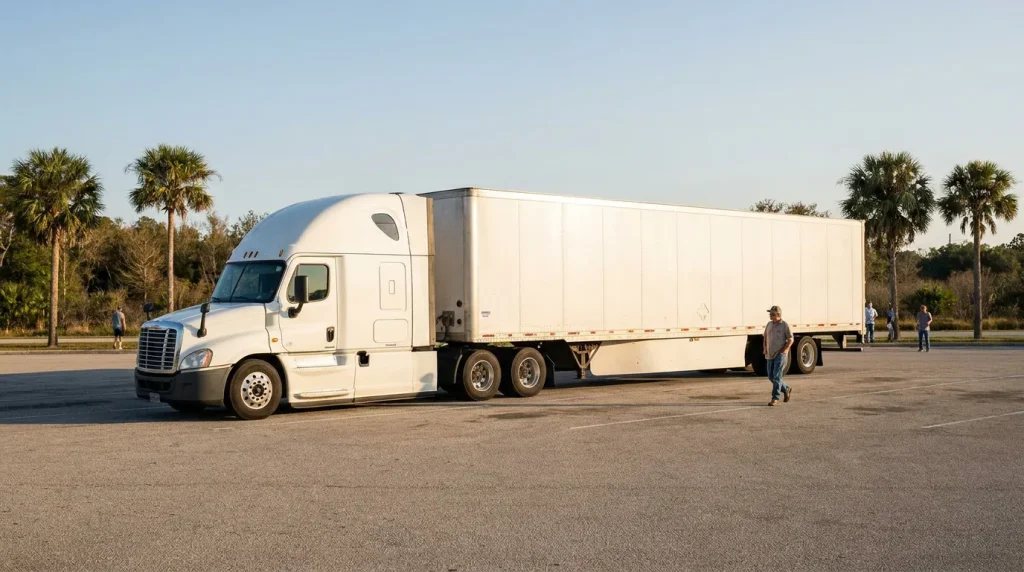
The Supreme Court Just Reshaped Broker Accountability for Marion County Truck Victims Key Takeaways: In Montgomery v. Caribe Transport II, LLC, the Supreme Court unanimously held that freight brokers may be sued under state law for negligently selecting unsafe motor carriers, and that the Federal Aviation Administration Authorization Act (FAAAA) does not preempt those claims. […]